Loading, please wait…
Loading, please wait…
Days in
Seoul
Nights in
Seoul



Note: The above quotation price is based on the Weekday Hotel Rate. Depending on the day of the week and the season, hotel prices may vary drastically. Please contact our representative and check for the actual prices for specific dates. (Travel date)
Still have questions about our Korea tour packages? We’re here to help you plan your trip with confidence.
Korea packages include hotels, airport transfers, guided city tours, cultural experiences, and itinerary planning.
Yes, we provide complete support and guidance for Korea tourist visa documentation.
Yes, Korea is a safe and family-friendly destination with attractions for all age groups.
Arrival to Incheon Airport/ Meet and greet by our representative
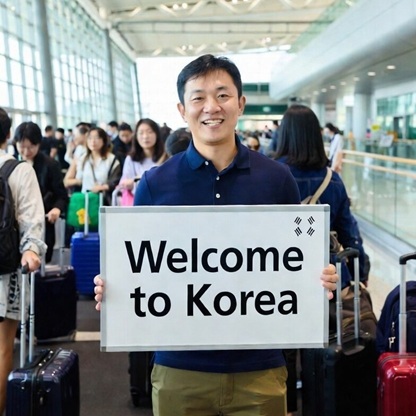
Transfer to Seoul
Check in hotel & free time
Seoul City Highlight tour in historical center:
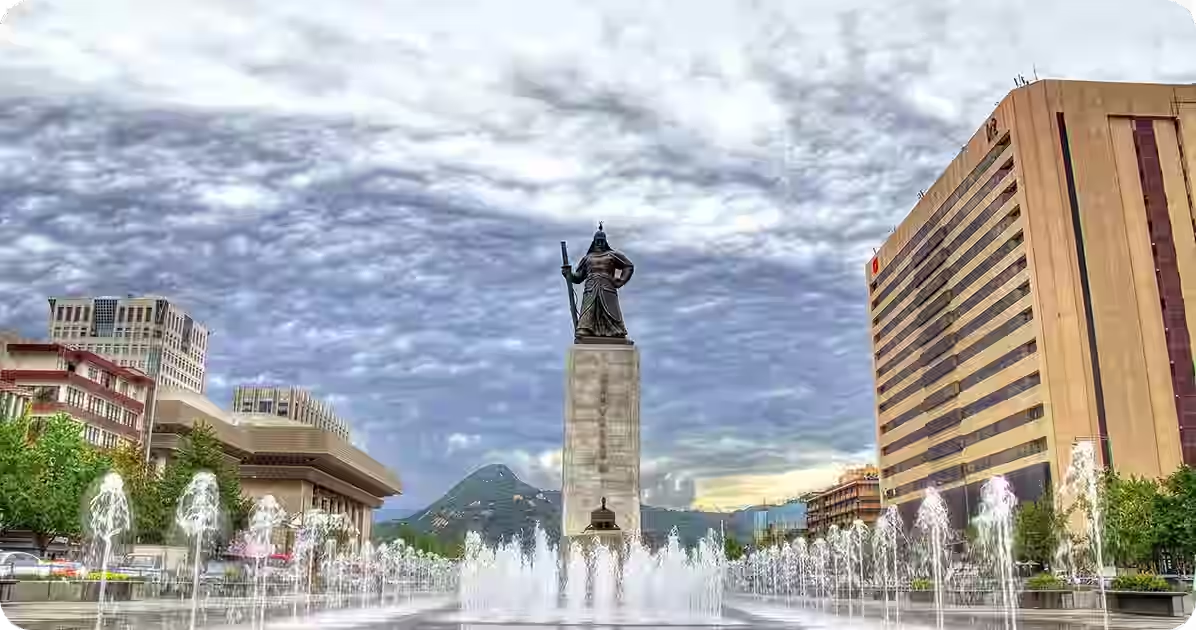
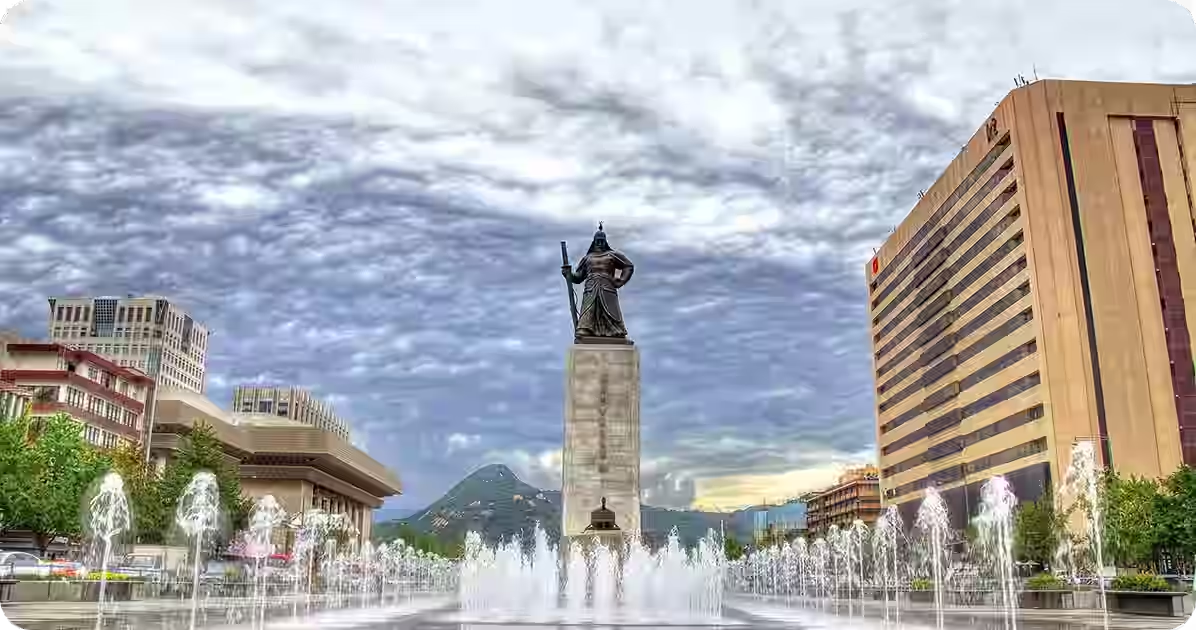
Gwanghwamun Square stretches out from Gwanghwamun Gate, once the main gate of Gyeongbokgung Palace, to Sejongno Sageori Intersection. Gwanghwamun Square is divided into six sections. At its center stands a statue of King Sejong the Great, the fourth and most respected king of the Joseon Dynasty and creator of Hangeul, Korea's alphabet; and a statue of Admiral Yi Sunshin, a naval commander noted for his victories against the Japanese navy during the Japanese invasions of Korea (1592-1598) and a hero among Koreans. Other attractions include the popular 12.23 Fountain, a sculpture of Haechi (the symbol of Seoul), a flower carpet, and Yeoksamulgil (or the "Waterway of History") on either side of the square.
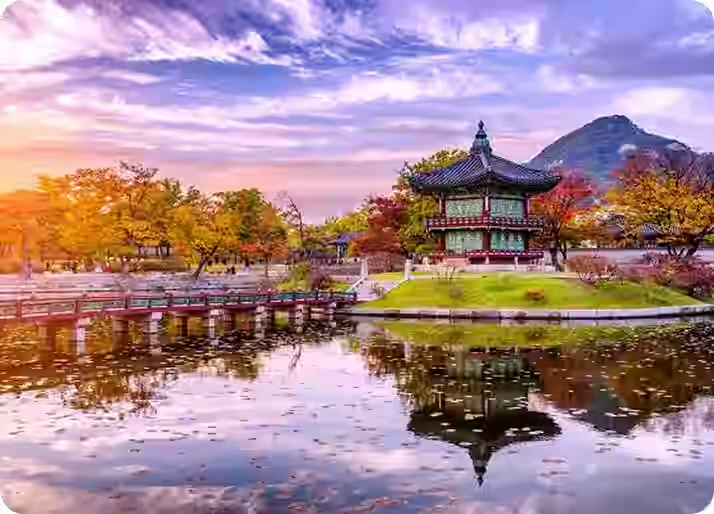
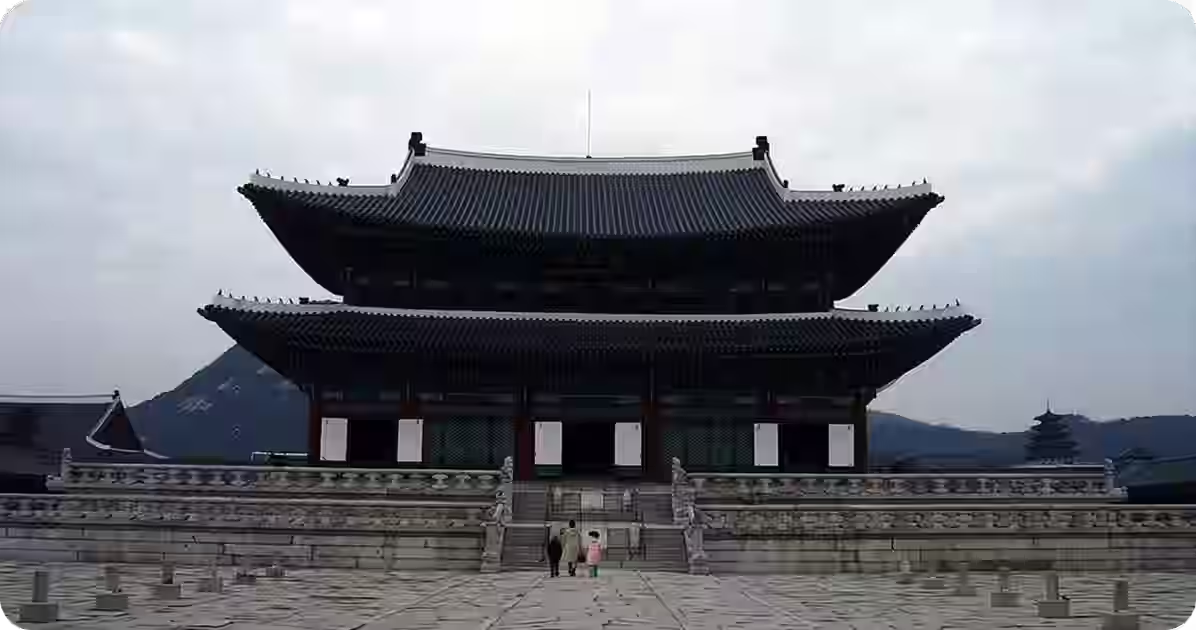
Gyeongbokgung Palace– built in 1395, Gyeongbokgung Palace is also commonly referred to as the Northern Palace because its location is furthest north when compared to the neighboring palaces of Changdeokgung (Eastern Palace) and Gyeonghuigung (Western Palace) Palace. Gyeongbokgung Palace is arguably the most beautiful, and remains the largest of all five palaces. The premises were once destroyed by fire during the Imjin War (Japanese Invasions, 1592-1598). However, all of the palace buildings were later restored under the leadership of Heungseondaewongun during the Reign of King Gojong (1852-1919).
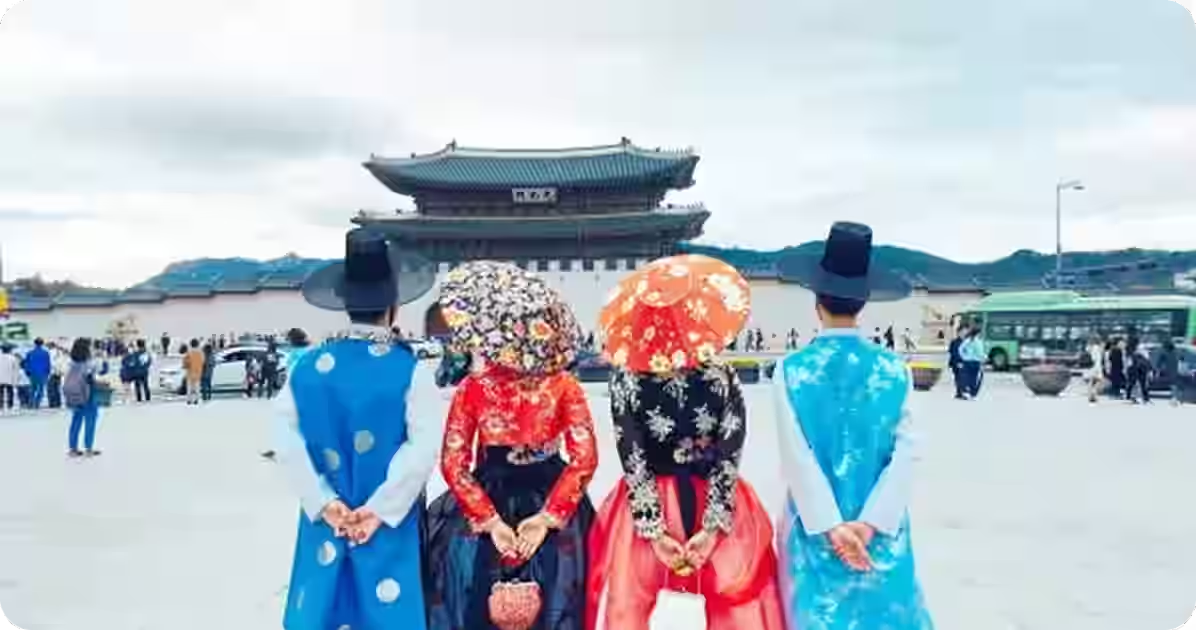
OPTIONAL: Traditional costume experience – wearing hanbok in the palace From 20$/Pax
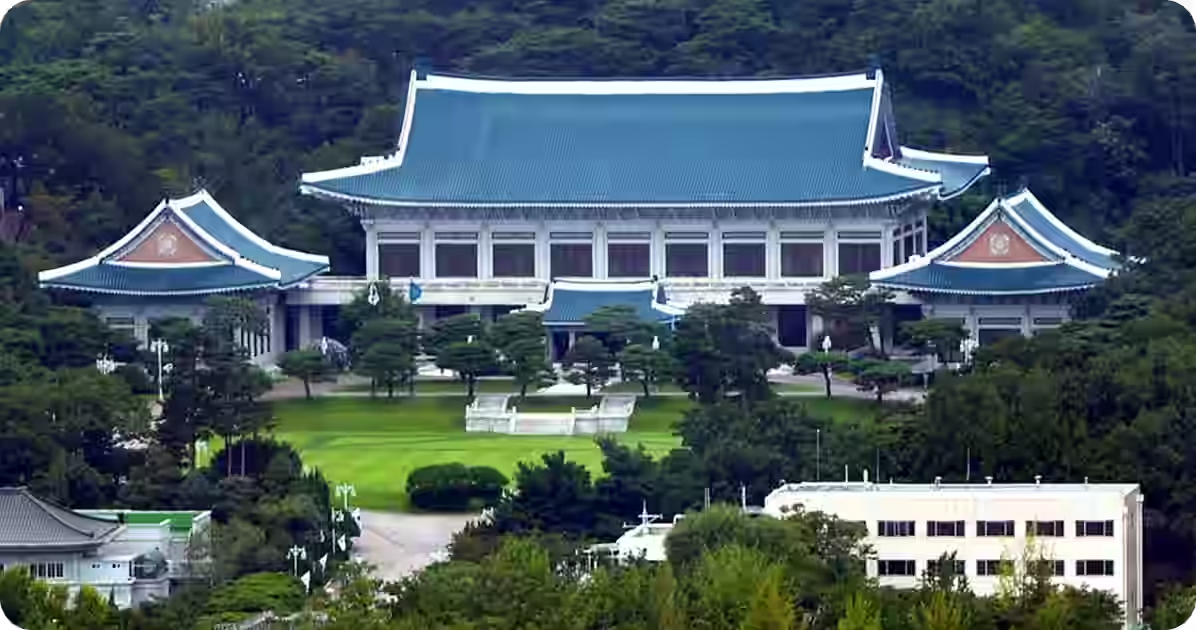
Blue House (Presidential Residence) The signature markings of the Presidential Residence of Cheongwadae are its blue tiles. It is the first thing that catches one's attention upon entering the Premises. The blue tiles and the smooth roof blend beautifully with Bugaksan Mountain in the backdrop.
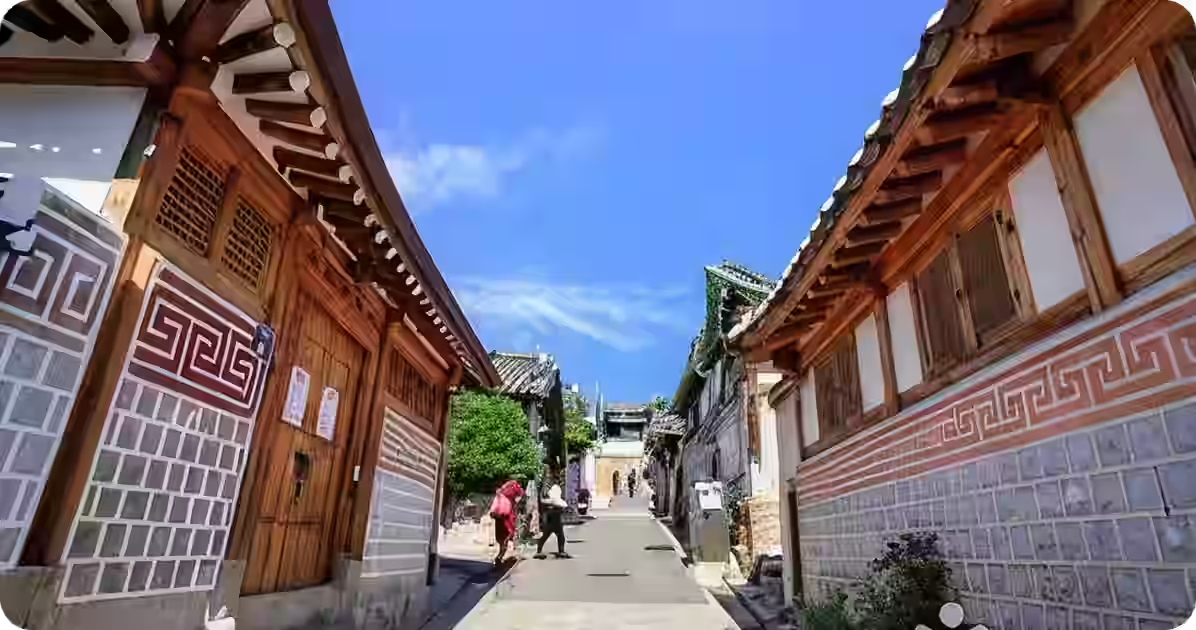
Bukchon Hanok Village–Surrounded by Gyeongbokgung Palace, Changdeokgung Palace and Jongmyo Shrine, it is home to hundreds of traditional houses, called hanok, that date back to the Joseon Dynasty. The name Bukchon, which literally translates to "northern village," came about as the neighborhood lies north of two significant Seoul landmarks, Cheonggyecheon Stream and Jongno. Today, many of these hanoks operate as cultural centers, guesthouses, restaurants and tea houses, providing visitors with an opportunity to experience, learn and immerse themselves in traditional Korean culture. As Bukchon Hanok Village is an actual neighborhood with people's Homes, visitors are advised to be respectful at all times while looking around.
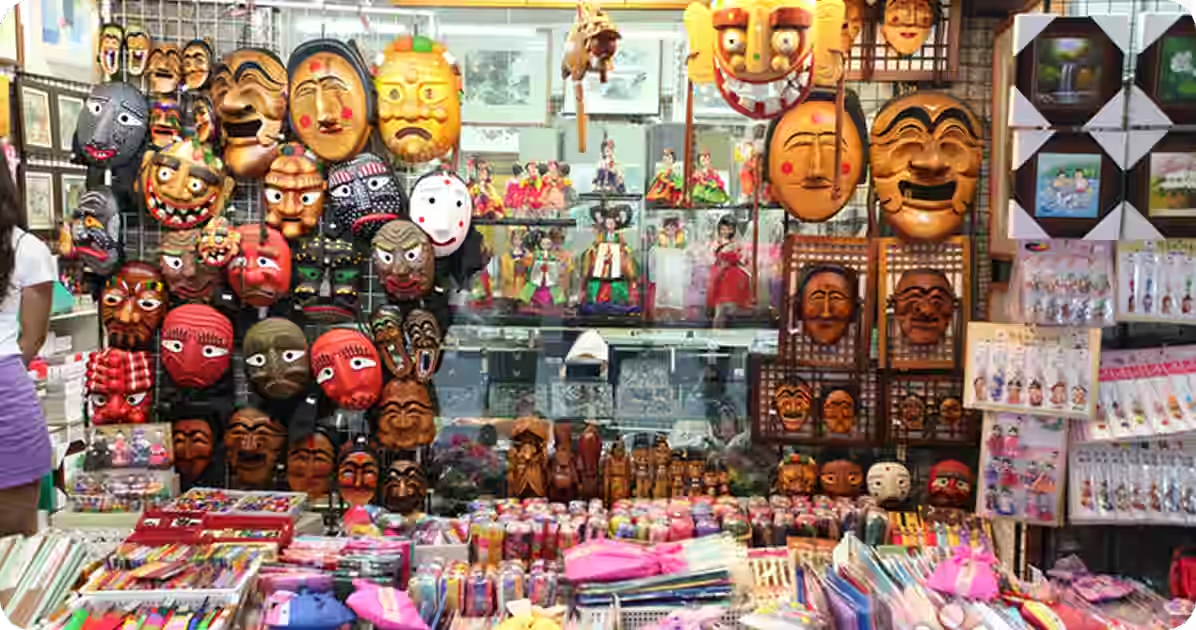
Insadong Antique Alleyis “well known as a traditional street to both locals and foreigners” and represents the “culture of the past and the present”. It contains a mixture of historical and modern atmosphere and is a “unique area of Seoul that truly represents the cultural history of the nation.” The area is well known for sightseeing, with approximately 100,000 visitors on Sundays reported in 2000. Insadong is also a visiting spot for foreign Dignitaries such as Queen Elizabeth II and the princes of Spain and the Netherlands. It contains 40 percent of the nation’s antique shops and art galleries as well as 90 percent of the traditional stationery shops.
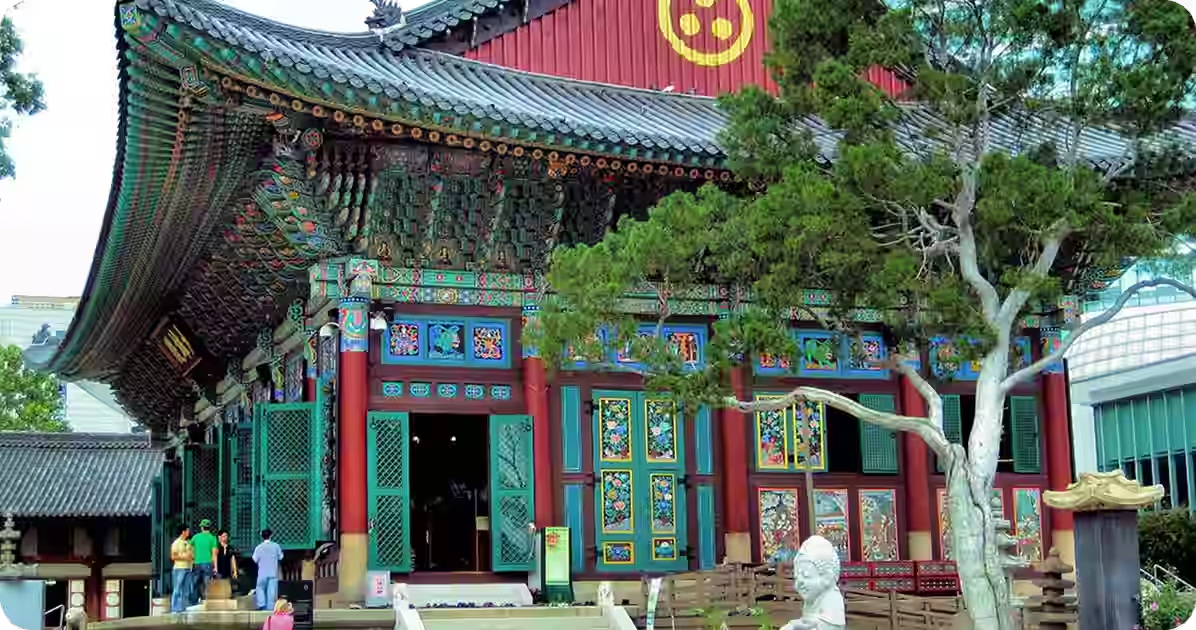
Jogyesa Templeis the center of Korean Buddhism. The temple was built in the late 14th century during the Goryeo period and was once turned into ashes due to fire and was rebuilt under the name of Gackhwangsa Temple in 1910 with the effort of many respectful monks, namely Han Yong-un and Lee Hee-gwang. The temple was given a role as the head temple of Korea’s Buddhism and renamed to Tegosa Temple in 1936. In 1954, a purification drive took place to eliminate Japanese influence and revive traditional Buddhism, which established the present day Jogyesa Temple as a result.
Cheonggyecheon Stream is an 11 km long modern stream that runs through downtown Seoul. Created as part of an urban renewal project, Cheonggyecheon is a restoration of the stream that was once there before during the Joseon Dynasty (1392-1910). The stream was covered with an elevated highway after the Korean War (1950-1953), as part of the country's post-war economic development. The stream starts from Cheonggye Plaza, a popular cultural arts venue, and passes under a total of 22 bridges before Flowing into the Hangang (River), with many attractions along its length.
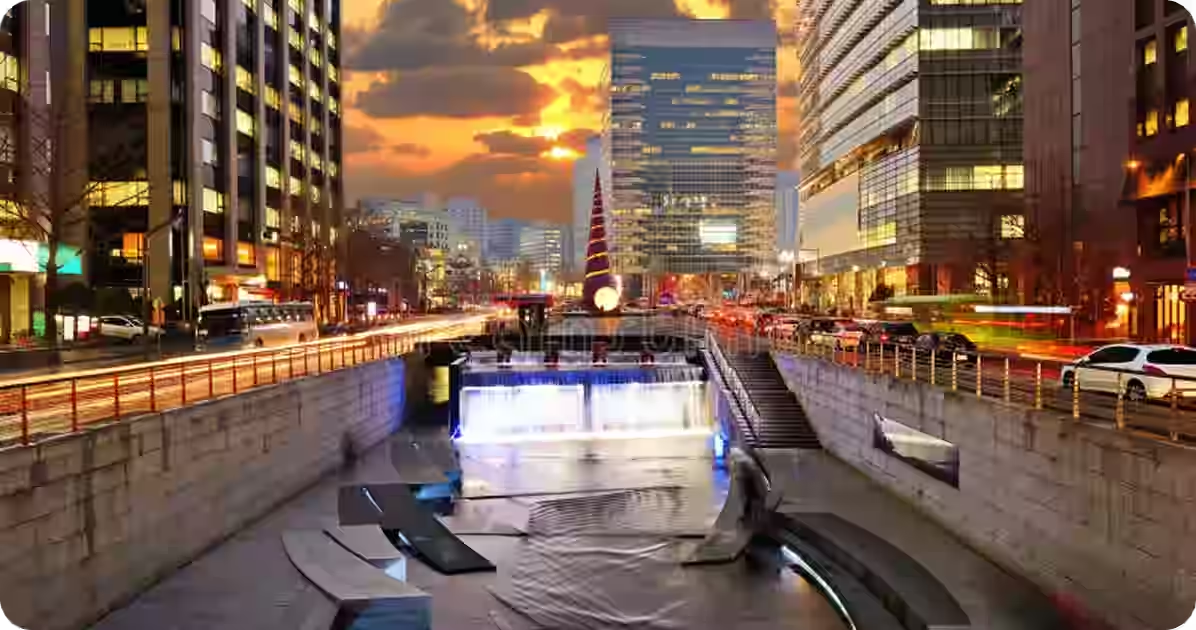
back to Hotel and Free time
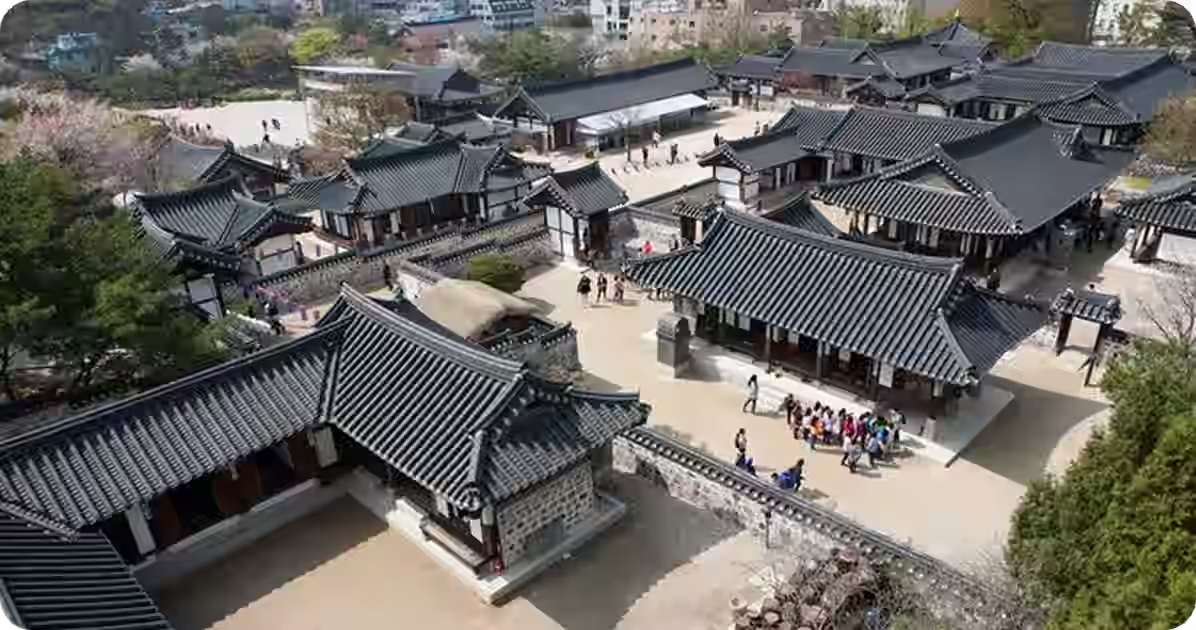
Visit to Namsangol Hanok Village
Namsangol Hanok Village opened in 1998 on the north side of Namsan Mountain in the center of The capital. This village has five restored traditional Korean houses, a pavilion, traditional garden, performance arts stage and a time capsule plaza, making it a perfect spot for both locals and Tourists to take leisure walk. Upon entering from the front gate, visitors will get a taste of the Traditional life while escaping from the bustling city life of modern times. The traditional Garden with its pavilion and the traditional houses create a peaceful ambiance before the forested Namsan Mountain. A time capsule commemorating Seoul’s 600 Year Anniversary was buried in 1994 at the highest point of the village and is s cheduled to be reopened four hundred years later in 2394.
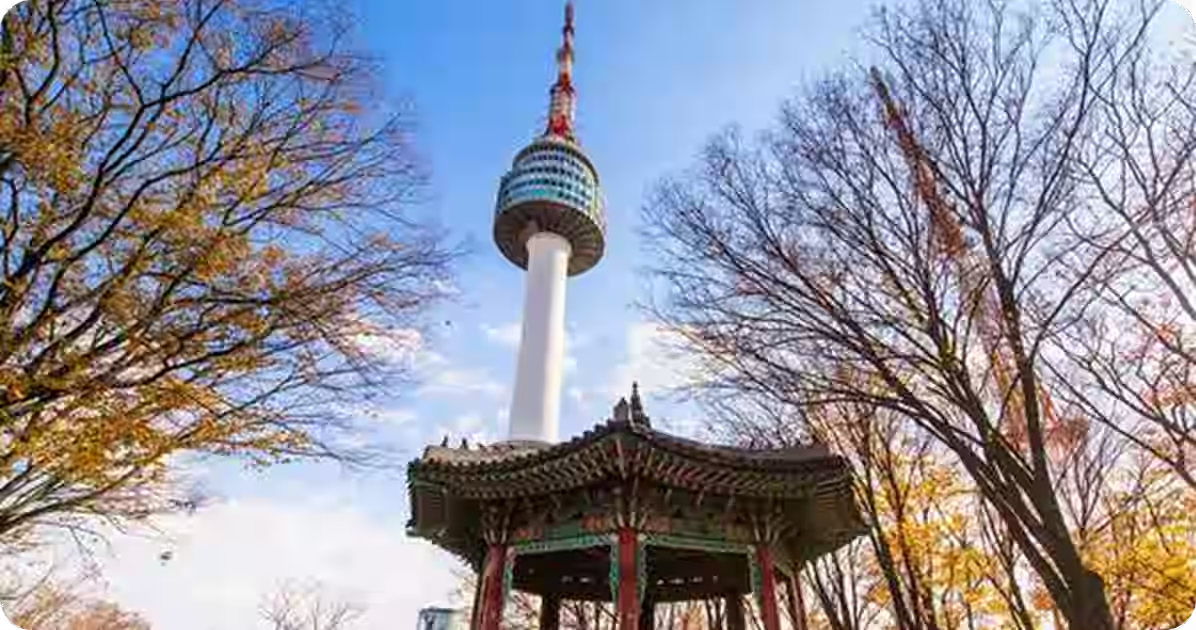
Visit to Namsan Seoul Tower by cable car
N-Seoul Tower: The top of the tower is at almost 480 meters above sea level, including Namsan Mountain (243m) and the tower’s own height (236.7m), making it one of the tallest towers in Asia. It is comprised of Seoul Tower Plaza, recently opened to public access after 40 years, and N Seoul Tower, operated by CJ Foodville since 2005. The tower was first Established as a broadcasting tower to send out TV and radio signals in 1969. As of now, It has become one of the representative landmarks and multi-cultural venues in Seoul.
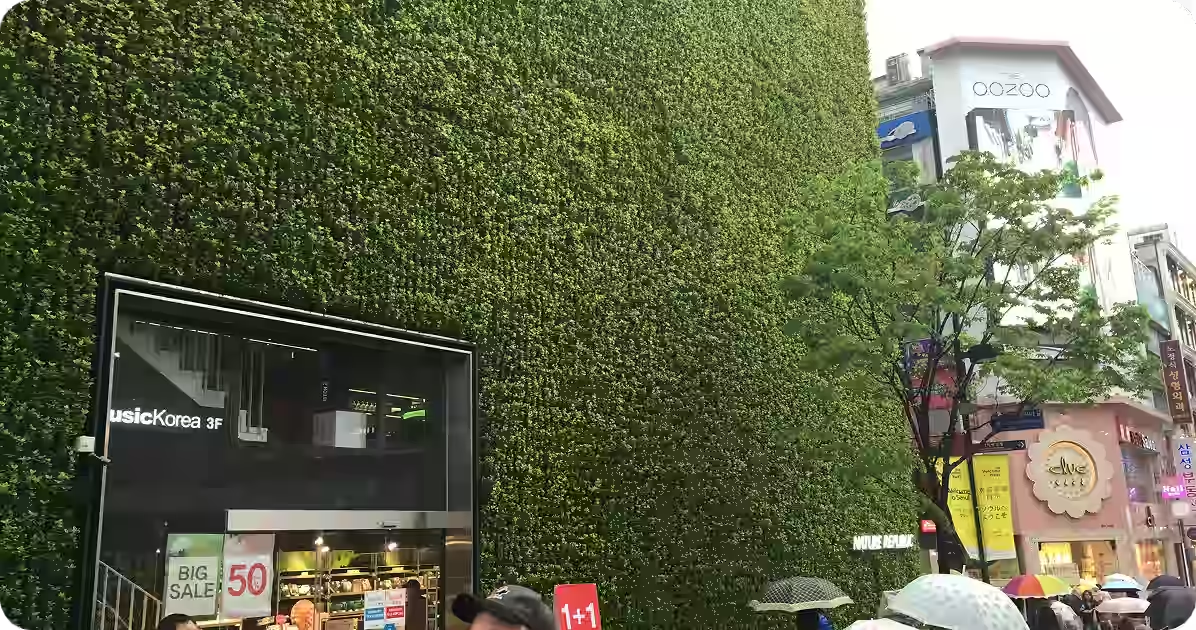
Transfer to shopping centerMyeongdong.
Myeongdong is Seoul’s shopping mecca and is a must-see for tourists, but it is not just a shopping destination; Myeongdong is also a hub of commerce, banking and culture with a daytime population of 1.5-2 million. For shoppers there is a mixture of street stalls and retail outlets selling everything from high fashion to casual attire, as well as many Korean cosmetics stores offering high-quality products at competitive prices.
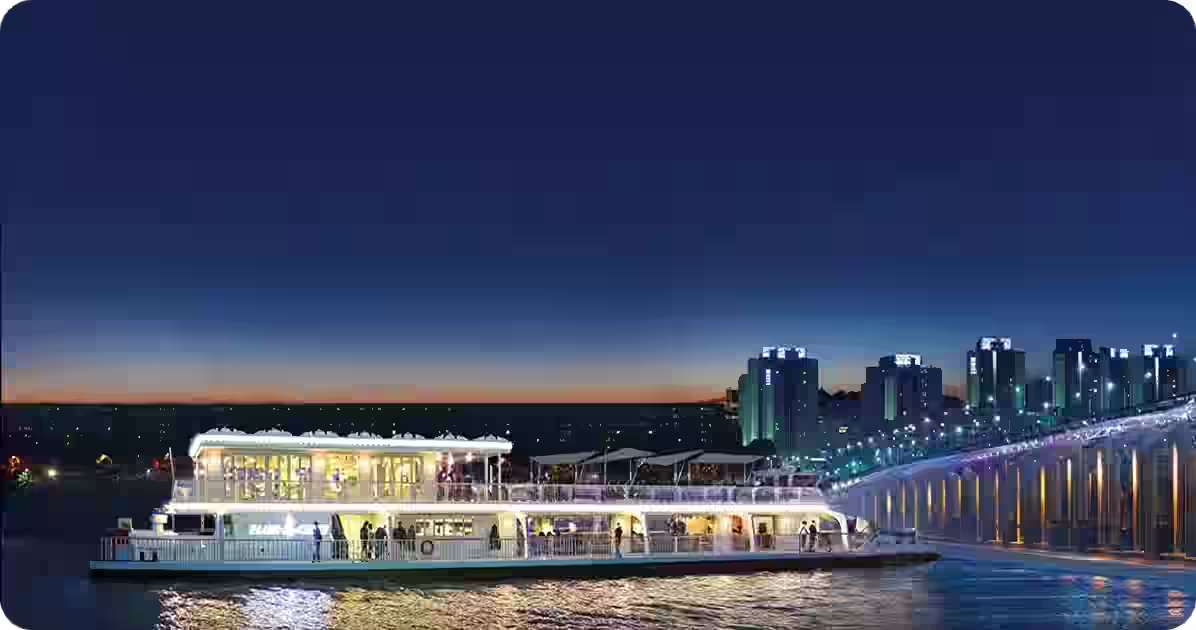
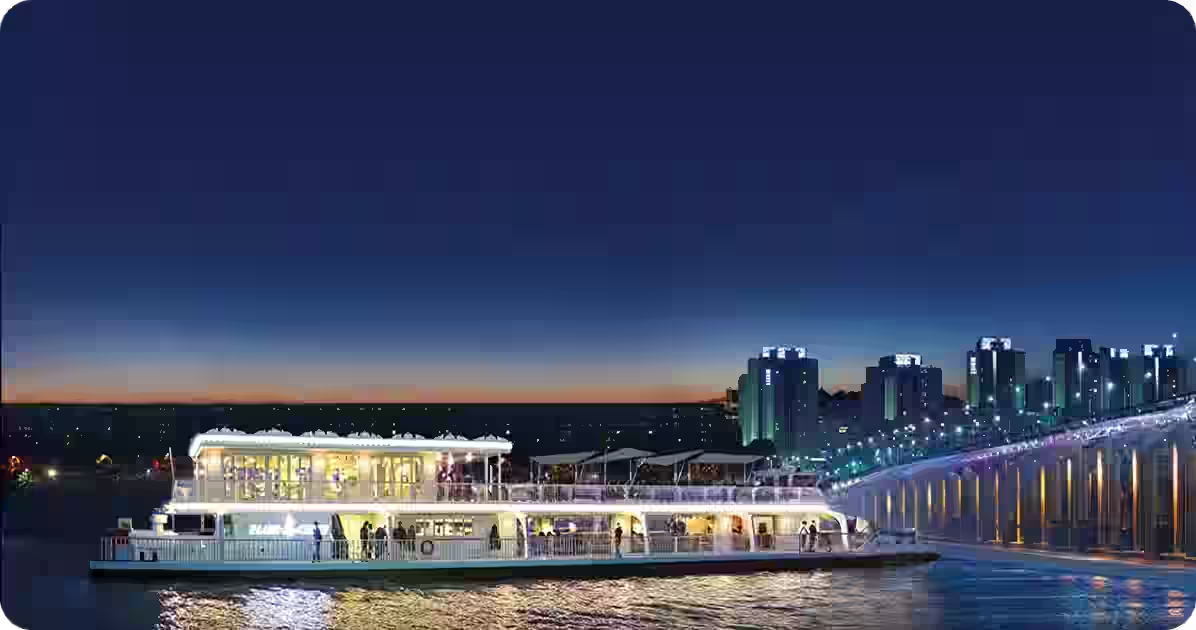
Hangang River Cruise is one of the best ways to enjoy the Hangang River. The cruises have different themes, including a pirate theme for children and a K-Culture cruise for Hallyu fans, allowing passengers to enjoy live performances and fine dining as they admire the scenery. The romance of the Hangang makes river cruises very popular with lovers all throughout the year.
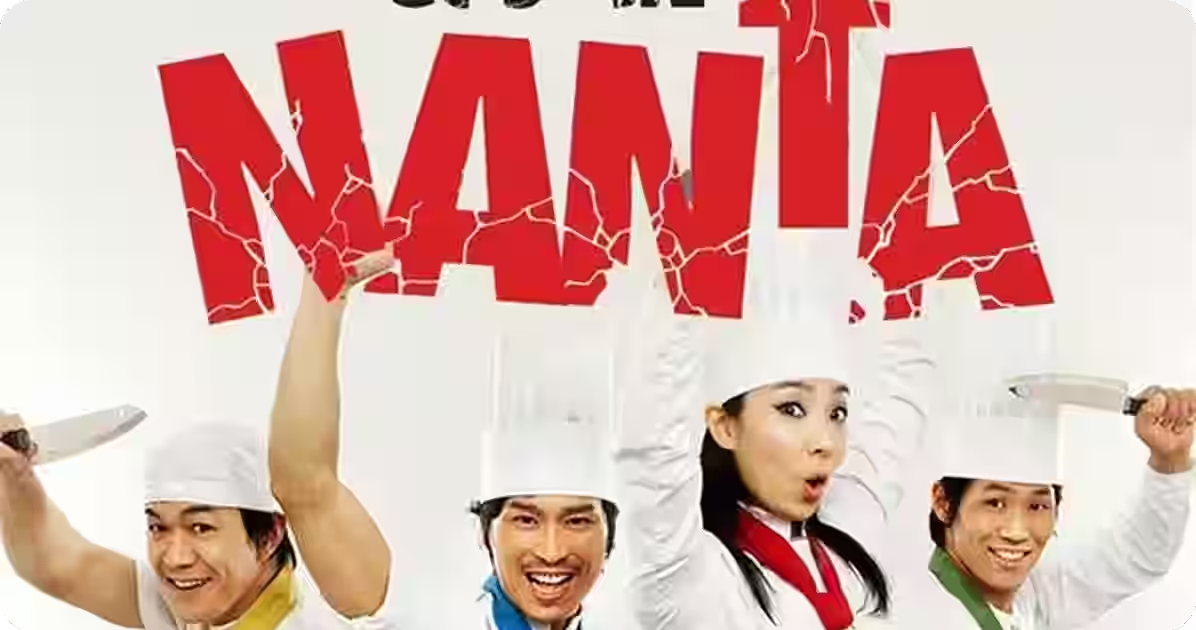
OPTIONAL (1) : Enjoy non-verbal show NANTA
Nanta is one of Korea's top performances, a show about four chefs Who must prepare a wedding banquet in just One hour The plot is depicted through various genres of performances, Including percussion that uses kitchen utensils to make beats based on Traditional rhythms of samulnori (traditional Korean percussion quartet). The entire show has no spoken Dialogue, yet plenty of comedy and romance, too. Since its debut in October 1997, NANTA (also known as Cookin') has earned international acclaim, having been performed on Broadway and at other famous venues Worldwide.
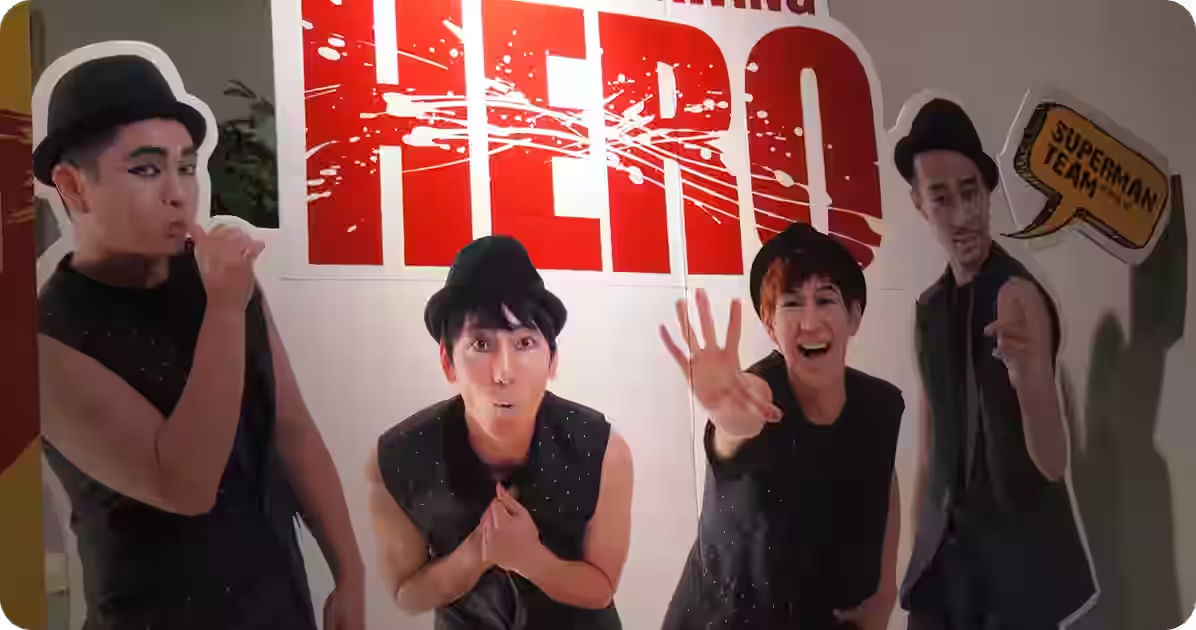
OPTIONAL (2):THE PAINTERS is a one-of-a-kind show that encompasses interpretive urban dances, witty performances, and the showcasing the creation of a painting with a charming twist. THE PAINTERS are an art performance that fills you with fun and passion with a dramatic flair that you won’t be able to find anywhere else.
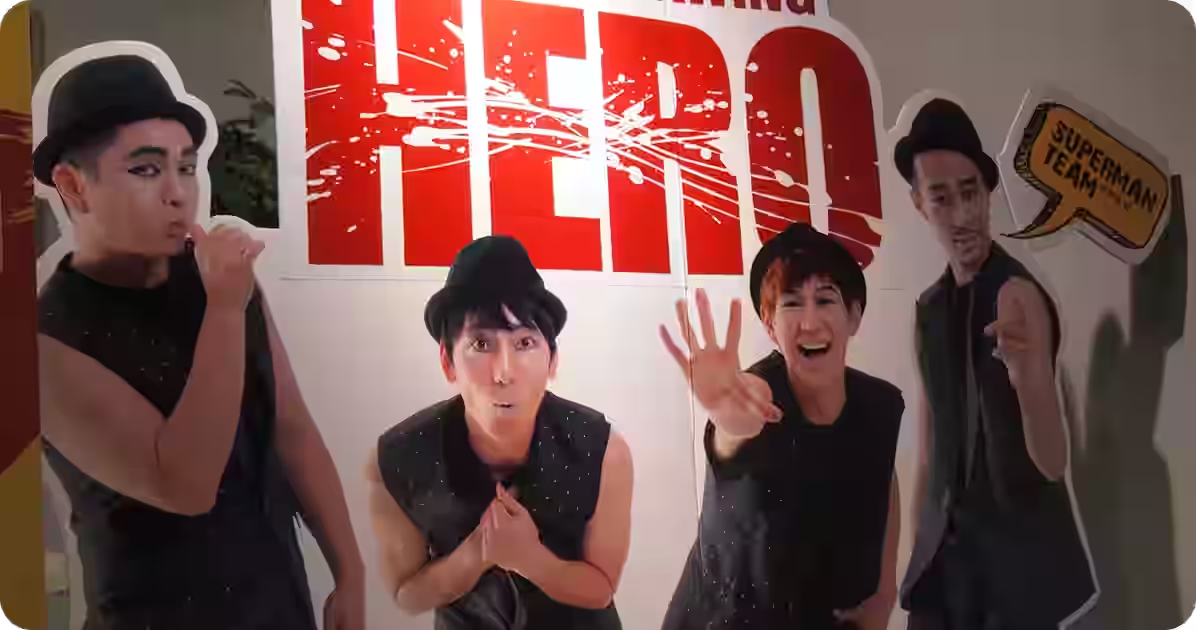
(You can choose one of the Performance Show Nanta or The Painter show)
Visit to Theme Amusement Park Lltte World or Visit to Observatory Seoul Sky in Lotte World Tower or Everland Theme Park (Choose one)
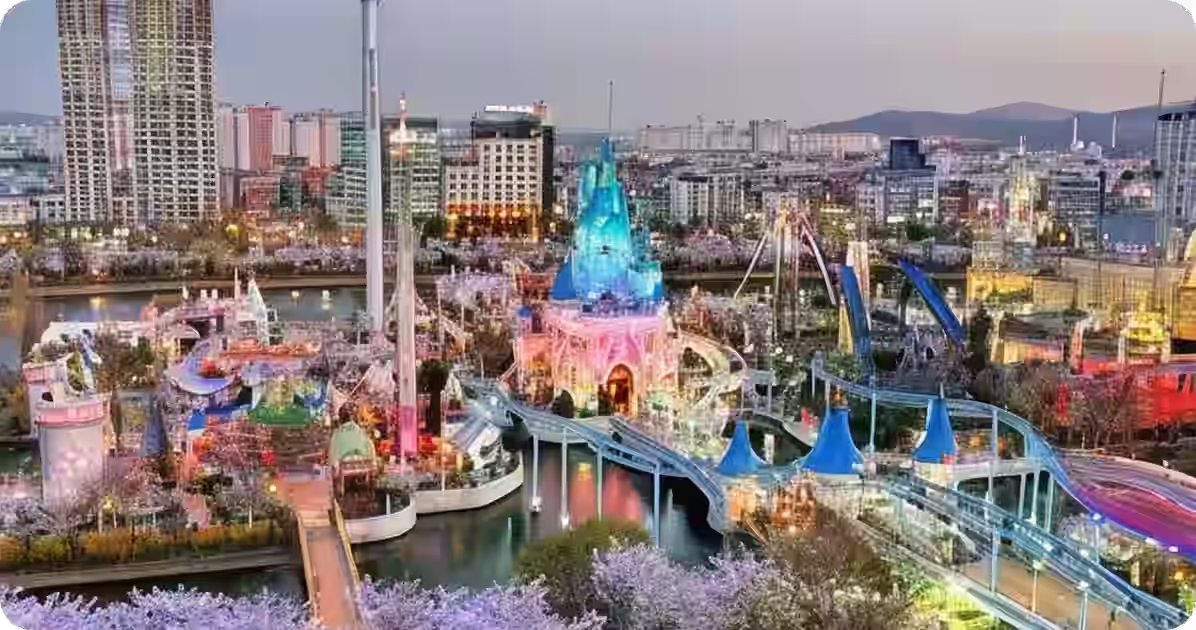
Lotte World is a theme park filled with thrilling rides, an ice rink and different kinds of parades, as well as a folk museum, a lake, accommodations, department stores and more. Lotte World is divided into Lotte World Adventure, a world themed indoor area, and Magic Island theme out- doors, next to Seokchonhosu Lake. Lotte World Adventure is the largest indoor amusement park in the world. The Folk Museum is also one of the most popular museums among international visitors. Also, Lotte World Star Avenue is the perfect place to experience Korean stars and the entertainment world.
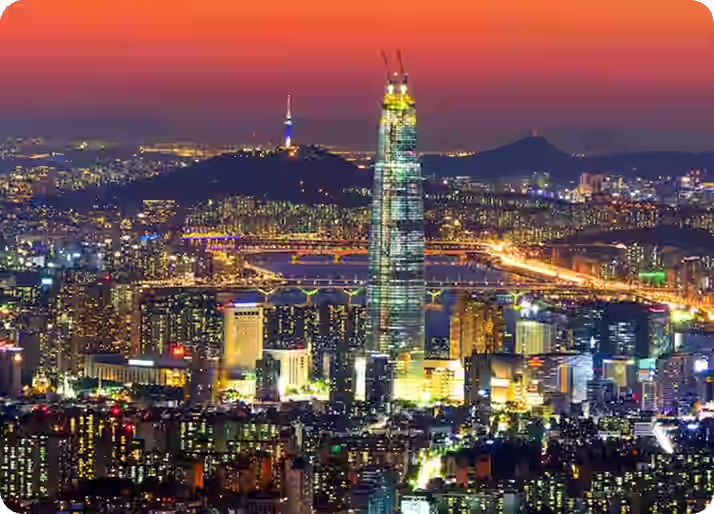
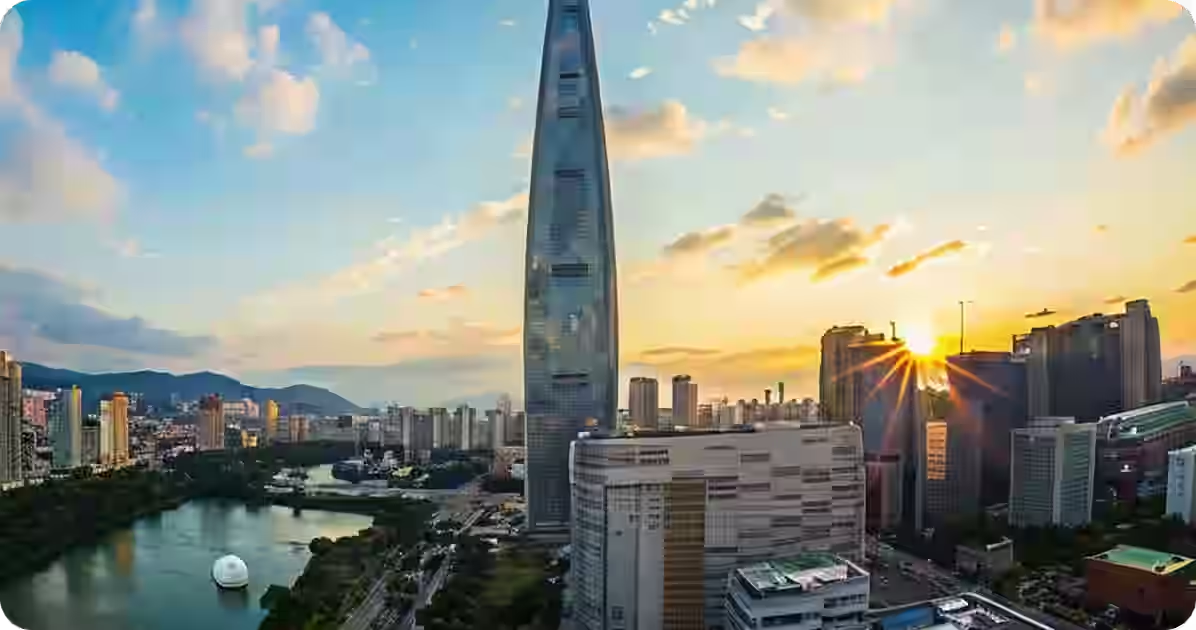
Lotte World Tower Seoul Sky is located on floors 117-123 of Lotte World Tower, the nation's tallest and the world's fifth tallest building (555 m). The observatory offers a panoramic view of the entire capital city, beautiful both day and night. In addition to the outstanding view, visitors can enjoy a small snack or coffee from the dessert cafe while sitting in the lounge or on the sky terrace. The observation deck has two story-high glass windows for an uninterrupted view. The Sky Deck, located at 478m, hold the Guinness World Record as the highest glass-floored Observatory in the world. On days when visibility is limited, visitors can still enjoy a clear sky through the Sky Theater.
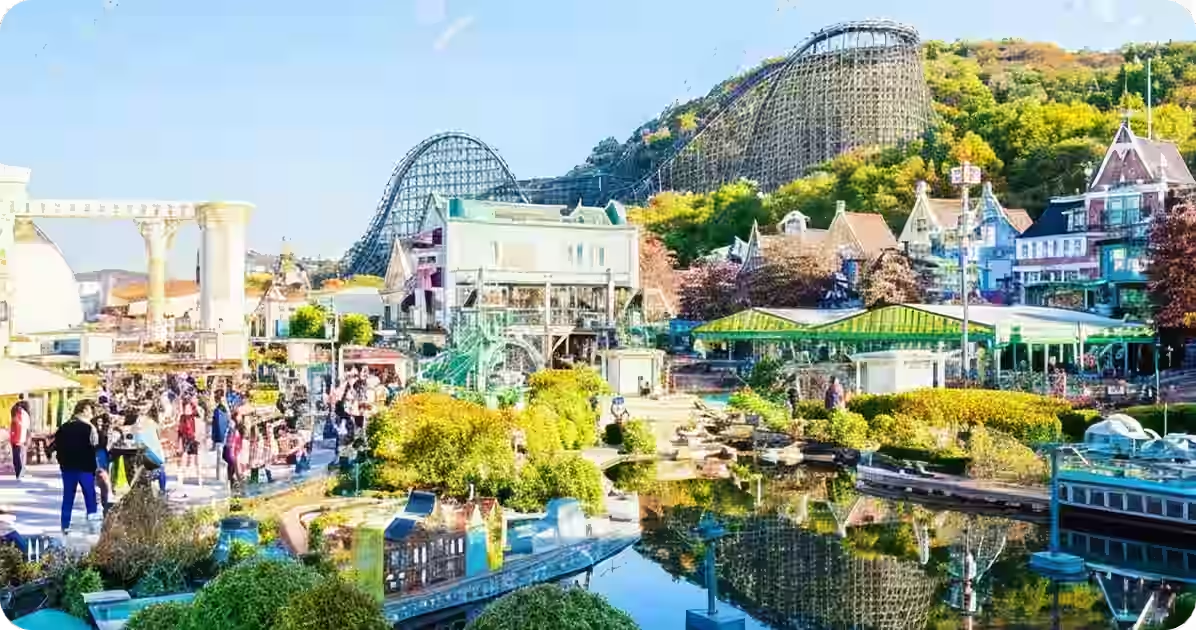
Everland Theme Park is the largest amusement theme park in Korea with many fun and exciting rides/attractions for all ages. Visitors can also visit its popular zoo, beautiful theme gardens, lively day & night parades, daily multi-media fireworks show and seasonal festivals for a fun-filled day at Everland.
Transfer to Gangnam district.
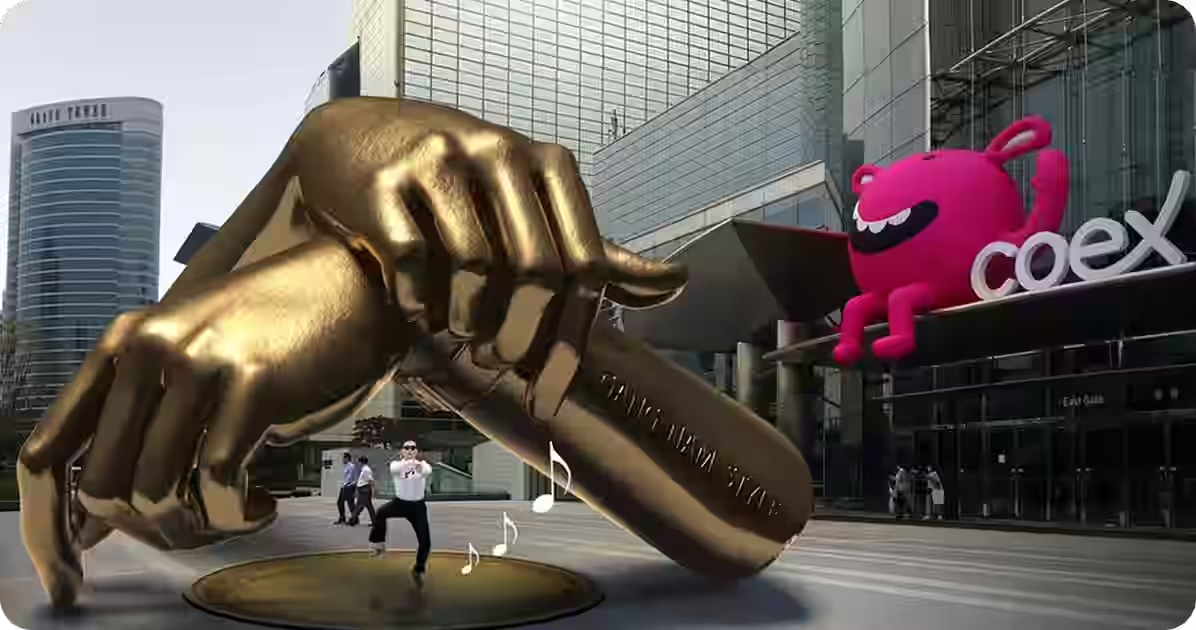
COEX Mall & Starfield Library Many people tend to gather at Gangnam Subway Station, as the location is geographically and commercially suitable as a meeting point for social gatherings, events or personal engagements.Hence, during the weekdays it is usually crowded in the evenings while on weekends, areas around. Gangnam Subway Station exit number 10 and 11, as well as City Theatre, and Giordano are often Bustling with people. Visitors travel to Gangnam to take advantage of its convenient transportation, Fashion malls, movie theatres and bookstores.
Transfer to Dongdaemun Design Plaza. Shopping at Dongdaemun market.
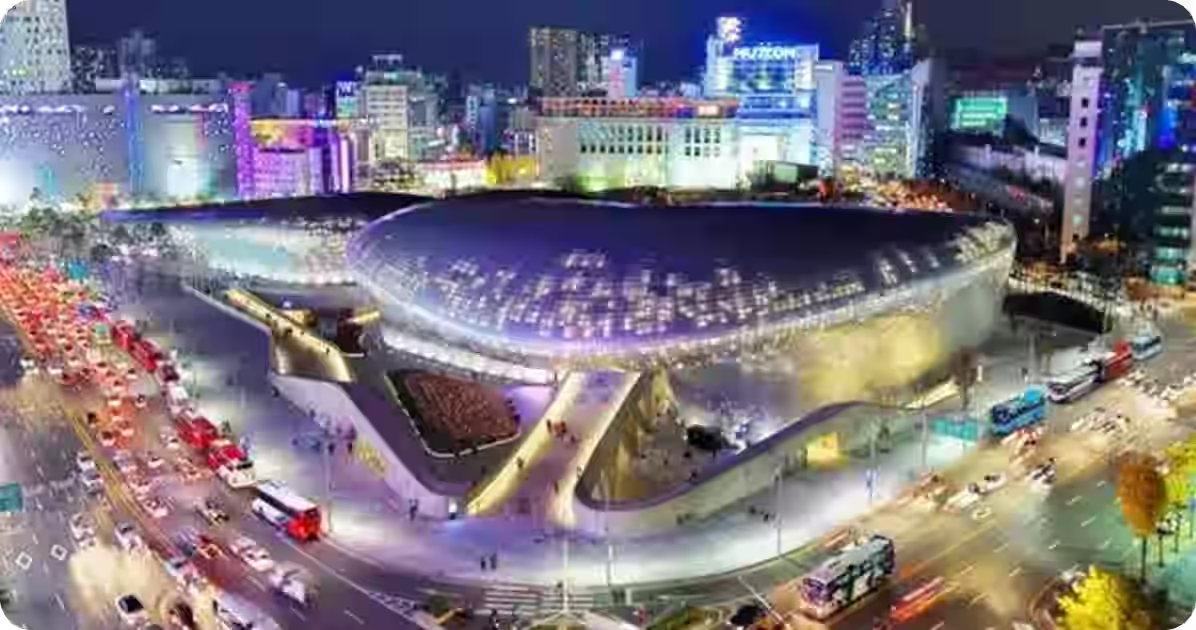
Dongdaemun Design Plaza (DDP) is the newest and most iconic landmark of the Korean design industry. Located at the center of the Dongdaemun area, the DDP will serve as a key venue for design-related shows and conferences, exhibitions, and other events and gatherings. Designedby world renowned architect, Zaha Hadid, DDP is the world’s largest atypical architecture. TheDDP is comprised of five halls: Art Hall, Museum, Design Lab, Design Market, and Dongdaemun History and Culture Park. The Art Hall is the primary launch pad for the Korean creative industry.
Free time shopping at Dongdaemun market
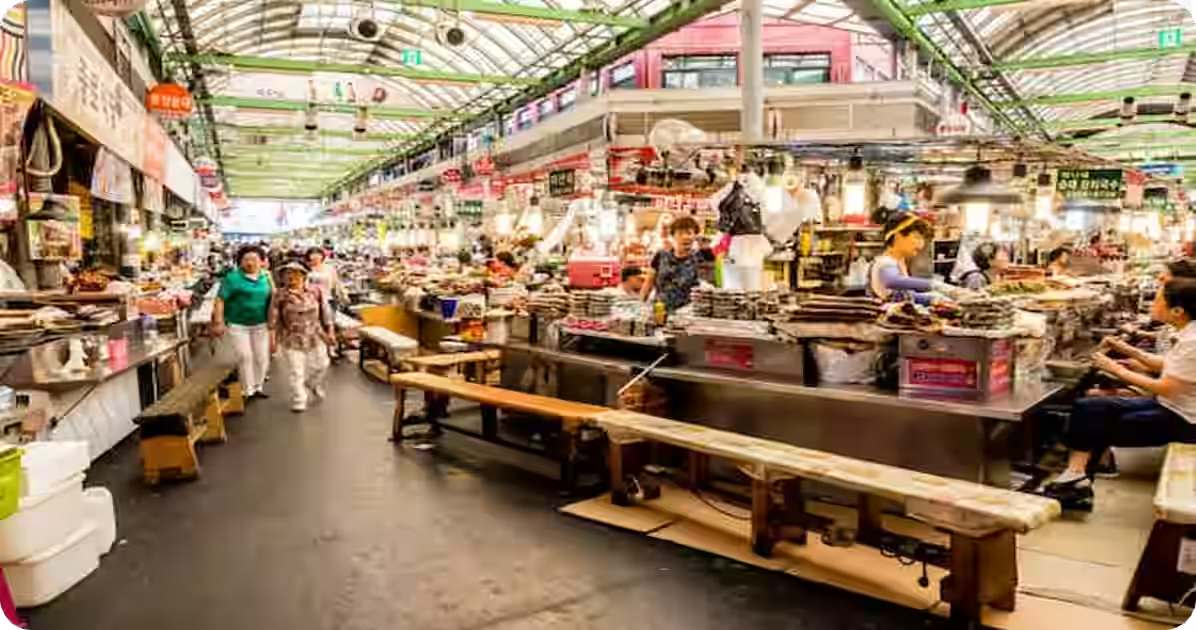
Transfer to Gwangjang Market (Foodie Tour)
Gwangjang Market (Foodie Tour) is one of the largest traditional markets in Korea and was even featured on Netflix’s Chef’s Table. If you’re in the city for any amount of time and looking for one of the best places to eat in Seoul, this is a must visit. It’s a well-known market for fabric and Hanboks, but it’s also known for Korean Street Food and it’s not just visited by tourists, but locals frequent Gwangjang Market. Gwangjang Traditional Market is one of my top recommendations for tourists.
Hotel Check out and Transfer to Incheon International Airport.
Departure from Korea
Get the best deals for this package